May – June 2025, Padua
The Right Path is a programme dedicated to exploring human rights through artistic languages, with a focus on photography. The final phase of the programme, held between May and June 2025, involved 18 university students, offering them the opportunity to work directly with Francesco Malavolta, an internationally renowned photojournalist who has spent years documenting migration routes and social issues. The initiative created an accessible and participatory learning space within the framework of the HEQUITY – Building Higher Education Quality Inclusion Pathways project, co-funded by the European Union through Erasmus+.
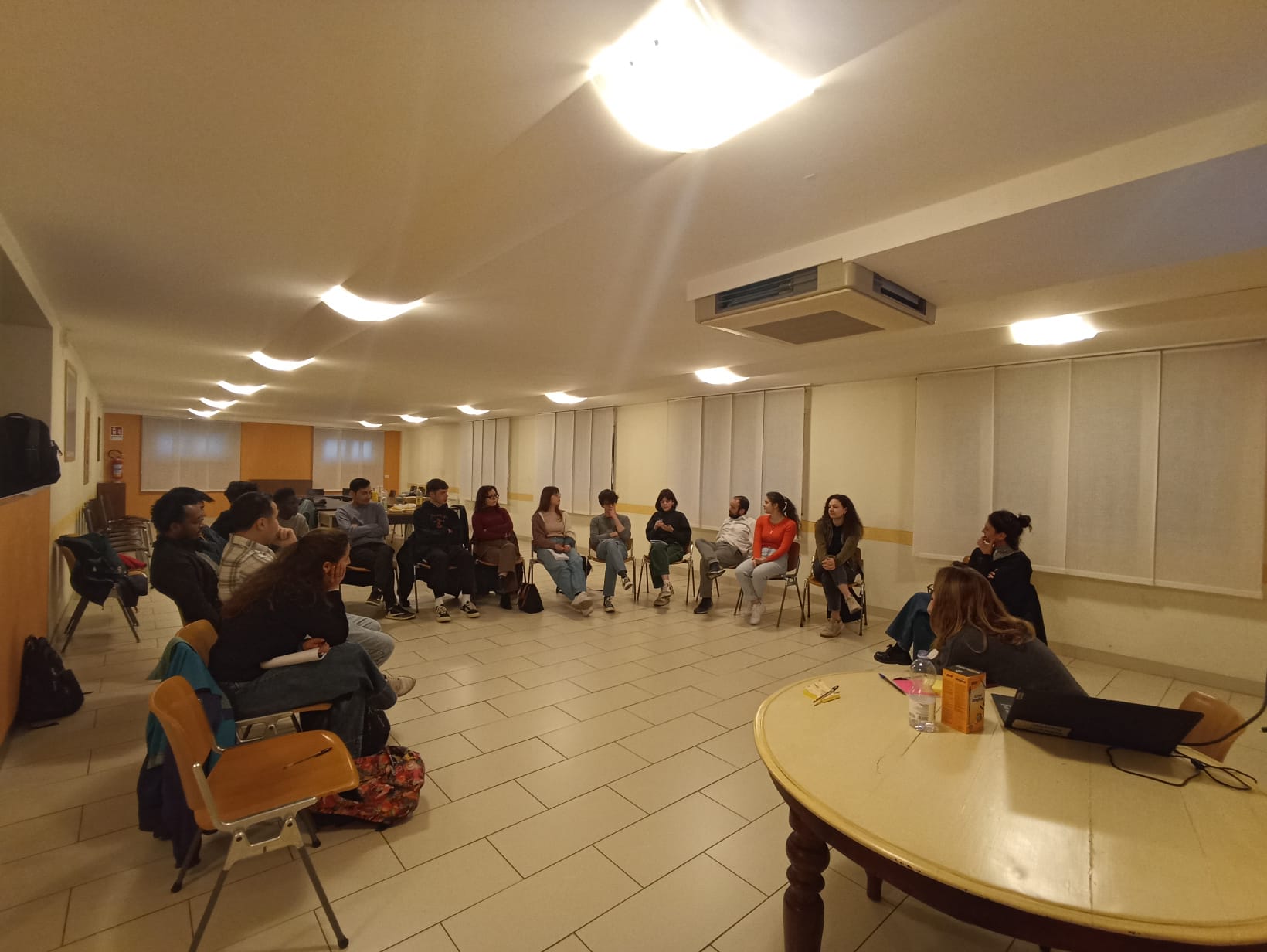
The activities guided participants through a progressive journey into photography as a tool for social storytelling. The first step, the theoretical meeting on 8 May at Centro Antonianum, introduced the group to documentary photography through a live connection with Malavolta, who offered reflections to launch the final phase of the programme.
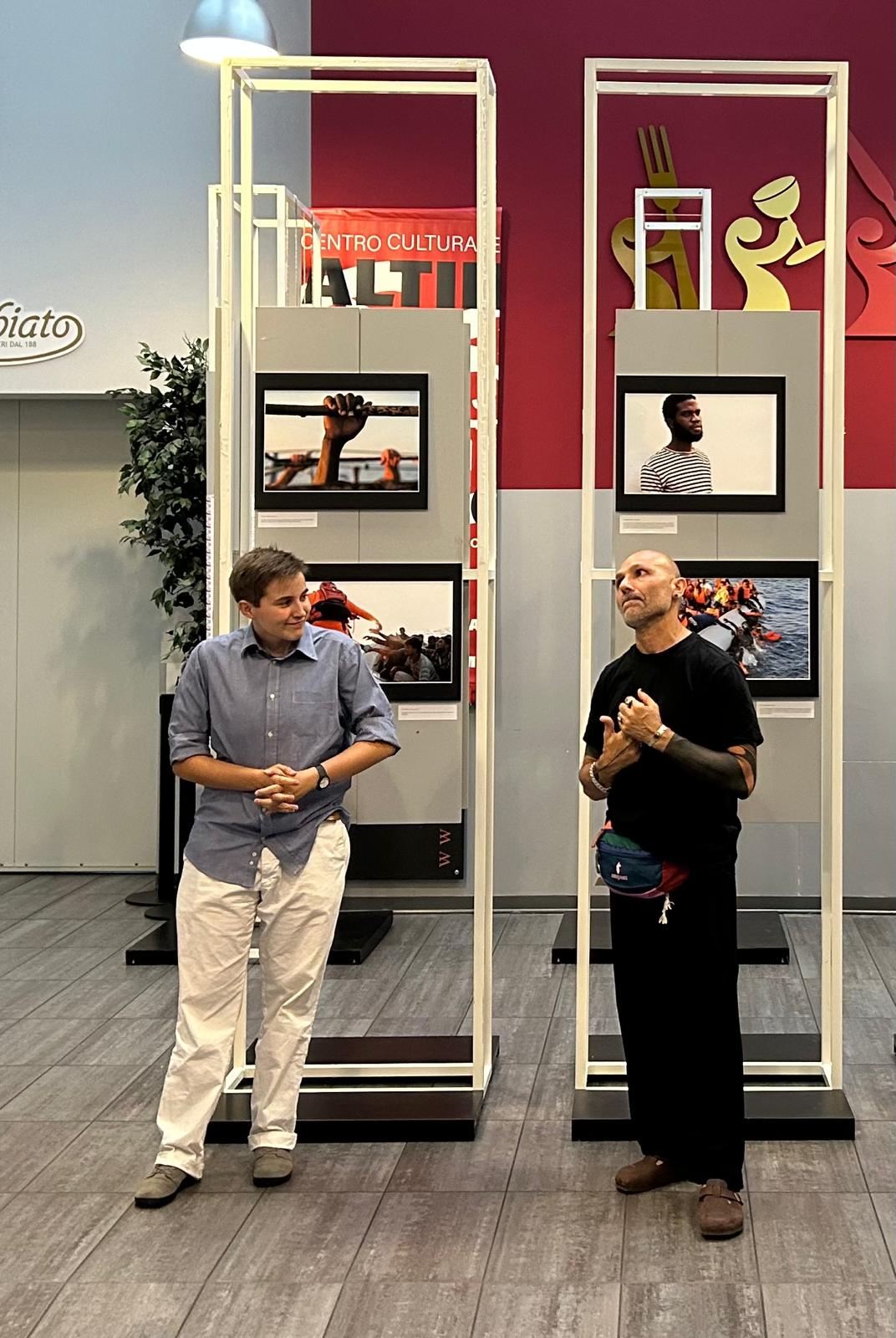
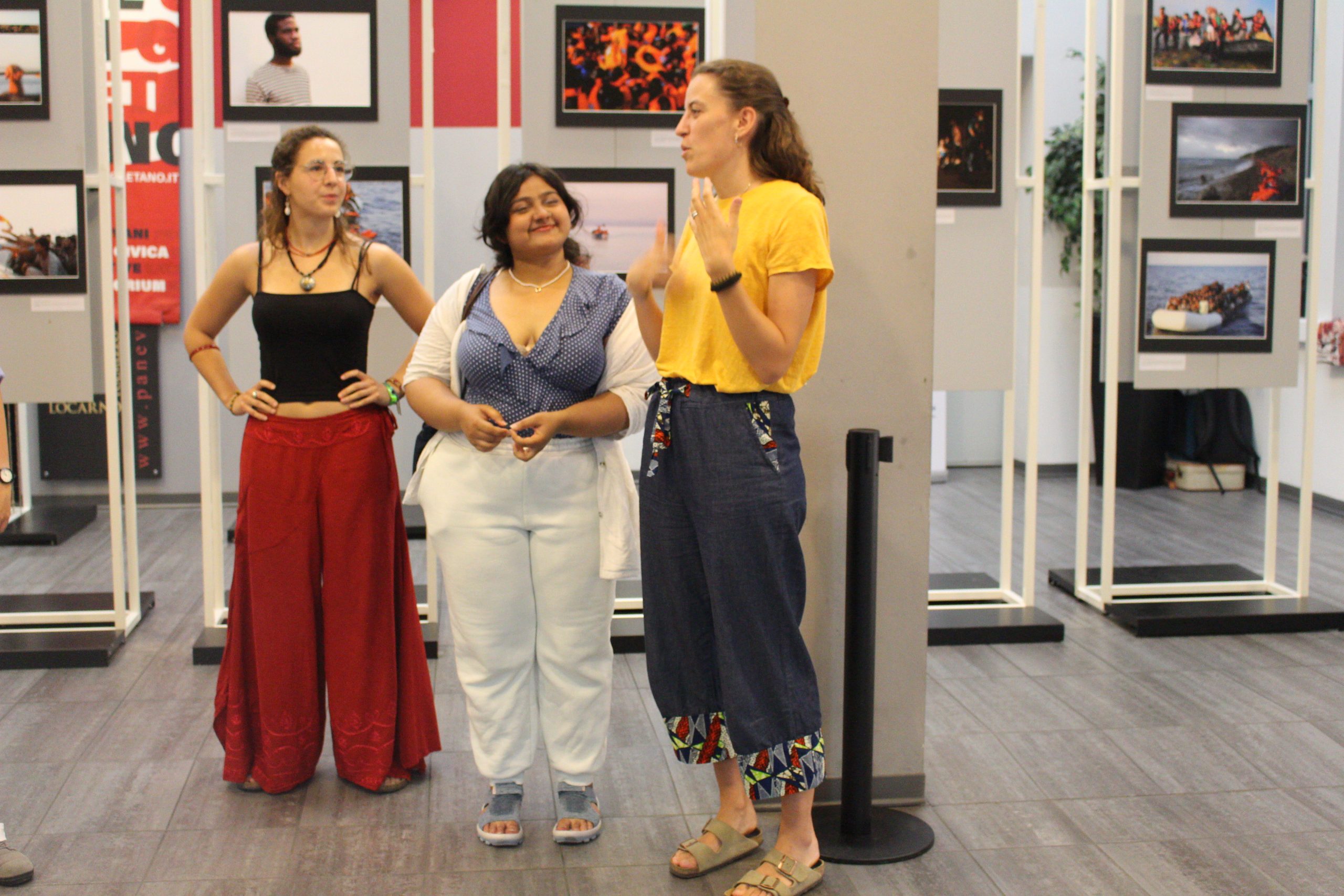
The second appointment, the guided visit on 6 June to the IMP Festival – International Month of Photojournalism, allowed participants to engage directly with photographic works from different contexts and to observe visual narratives related to human rights, migration, and social change. Accompanied by Malavolta, the group explored diverse photographic languages and linked them to the themes addressed throughout the programme.
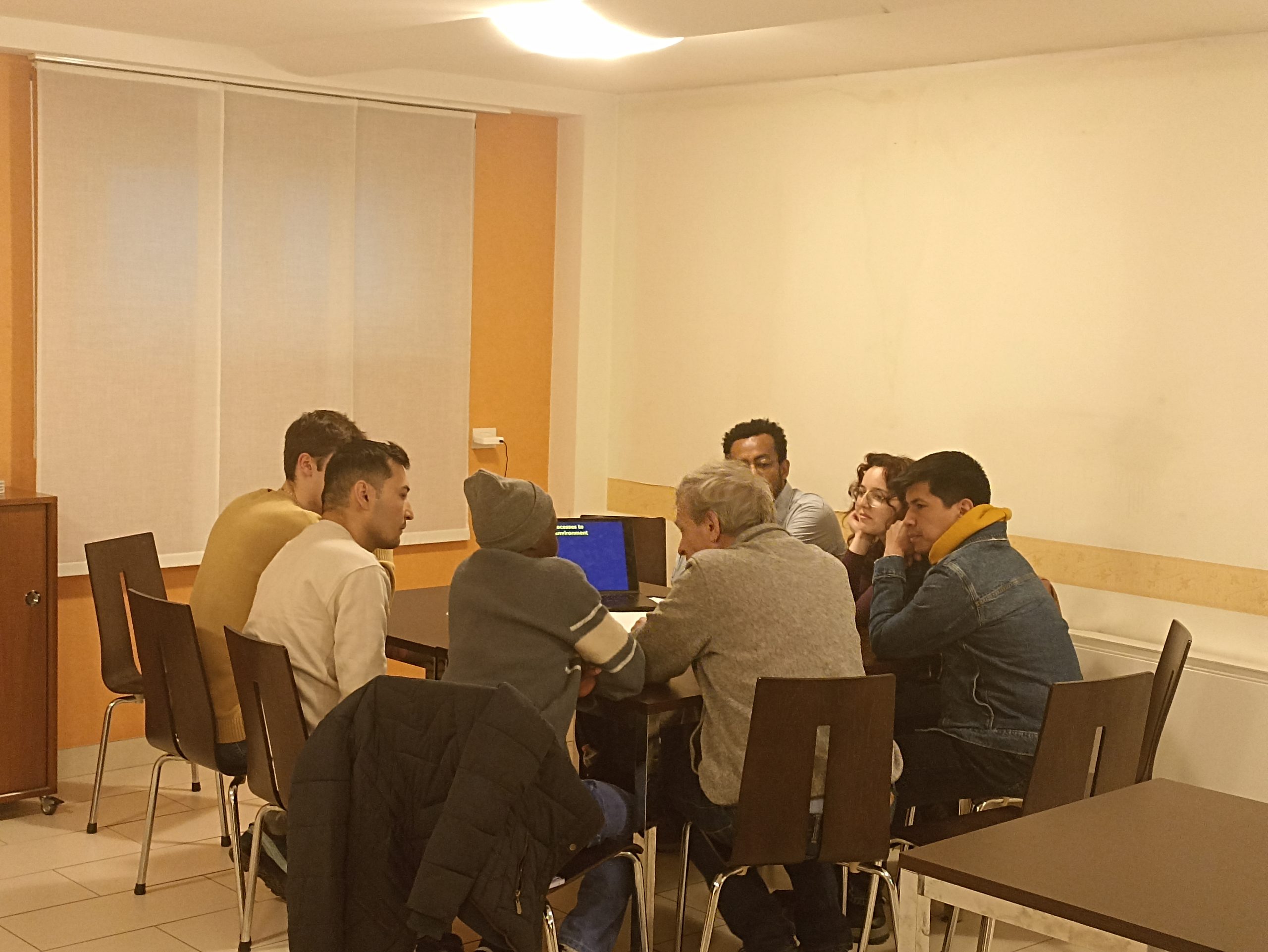
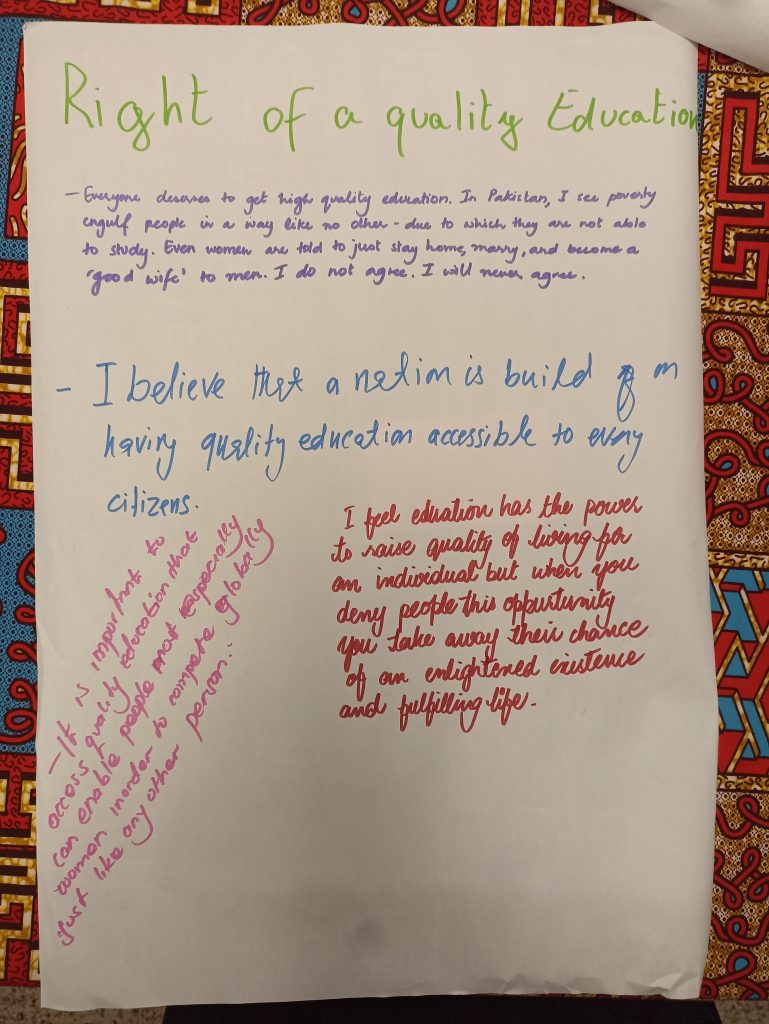
The third moment, the workshop on June 7, focused on discussing participants’ own photographs and conducting a collective editing session. This space provided an opportunity to apply the tools acquired, working together to select and assemble the images that later became part of the final collective exhibition, inaugurated on June 19. The exhibition represented the final part of the shared work and offered the wider community a chance to encounter young and thoughtful perspectives on human rights through photography.
The materials used throughout the programme included the official communications, the training sessions with Malavolta, the photographic work produced by the students, and the activities developed across the three meetings. Dissemination was carried out through the communication of the activities, the presentation of the meetings, and the connection with HEQUITY within both the programme and the final exhibition. The focus on human rights and the representation of migration provides a meaningful occasion for reflecting on the barriers and opportunities linked to university inclusion.